
high quality tempered glass
How to Replace a Water Valve A Step-by-Step Guide Water valves play a crucial role in plumbing systems, controlling the flow of water to various fixtures in your home. Over time, these valves can wear out, resulting in leaks or reduced water pressure. If you notice problems with your water valve, it may be time for a replacement. This guide will walk you through the step-by-step process of replacing a water valve, ensuring that you can tackle this task safely and efficiently. Tools and Materials Needed Before you begin, make sure you have the following tools and materials on hand - Replacement water valve (ensure you choose the correct size and type) - Pipe wrench or adjustable pliers - Screwdriver (flathead and Phillips, depending on your valve) - Teflon tape or plumber’s tape - Bucket or container (to catch any water) - Towels or rags (for drying up spills) Step 1 Turn Off the Water Supply The first and most important step is to turn off the main water supply to your home to prevent any leaks or flooding during the process.Locate the main shut-off valve, usually found near the water meter, and turn it clockwise until it stops. Open a faucet on a lower level to drain any residual water in the pipes. Step 2 Locate the Water Valve Identify the water valve you need to replace. Water valves may be located near fixtures like sinks, toilets, or washing machines. They are typically connected to pipes leading into the appliance. Step 3 Remove the Old Water Valve 1. Disconnect the Supply Line Use a pipe wrench or adjustable pliers to loosen and disconnect the water supply line from the valve . Have your bucket or container ready to catch any remaining water that may spill out. 2. Remove the Valve Once the supply line is disconnected, you can remove the old valve. Depending on the type of valve (such as ball or gate valves), you may need to unscrew it from the pipe with a wrench. Turn the valve counterclockwise to fully detach it. Step 4 Prepare to Install the New Valve how to replace water valve Before installing the new valve, clean the threads on the pipe where the old valve was attached. This will ensure a snug fit and help prevent leaks. If the threads are damaged, you may need to replace the section of pipe. Step 5 Install the New Water Valve 1. Apply Teflon Tape Wrap Teflon tape around the threads of the pipe. This tape helps create a watertight seal and makes it easier to screw the new valve onto the pipe. 2. Attach the New Valve Screw the new water valve onto the pipe, turning it clockwise. Use your pipe wrench to tighten it securely, but be careful not to overtighten, as this might damage the valve or the pipe. Step 6 Reconnect the Water Supply Line Reattach the water supply line to the new valve. Again, use your pipe wrench or pliers to tighten this connection securely. Ensure that the fittings are snug, as leaks can occur if they are too loose. Step 7 Check for Leaks Once everything is connected, it’s time to turn the water supply back on. Go to the main shut-off valve and turn it counterclockwise to restore the water flow. Afterward, check the new valve and the connections for any signs of leaking. If you notice any leaks, turn off the water again and tighten the connections as needed. Step 8 Final Checks and Cleaning Up After ensuring there are no leaks, turn on the faucet connected to your new valve to purge any air from the system and verify that water is flowing properly. Once you are satisfied with your work, clean up your workspace, putting away tools and disposing of any old parts. Conclusion Replacing a water valve may seem daunting at first, but with the right tools, materials, and careful attention to detail, it can be a manageable DIY project. Always prioritize safety by ensuring the water supply is off and take your time throughout the process. With this guide, you should be well-equipped to tackle that valve replacement with confidence. Happy plumbing!
about
high quality tempered glass
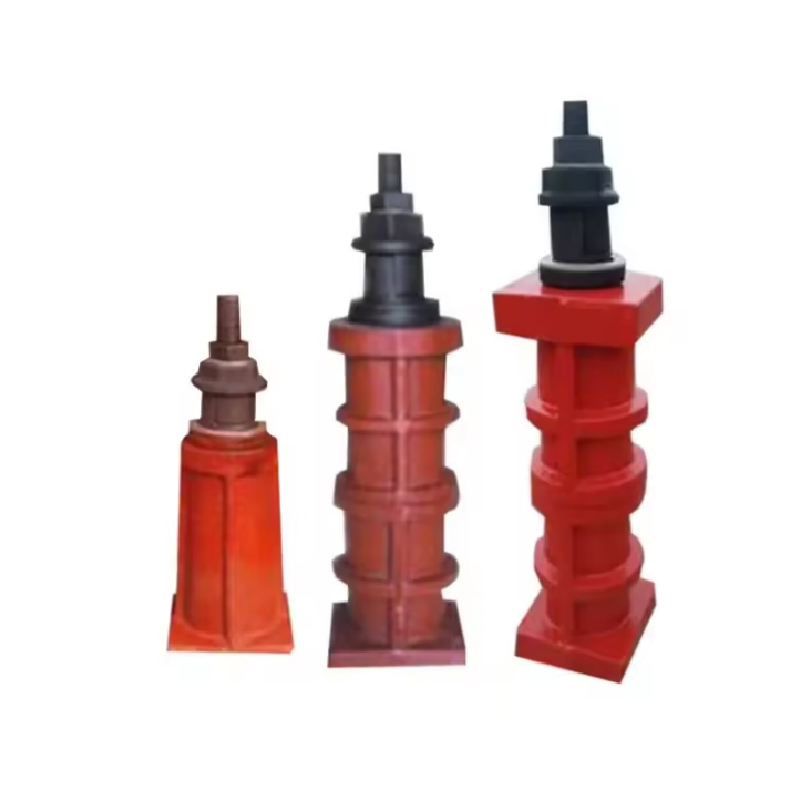
The Significance of Pad Iron in Modern Construction and Design In the realm of construction and design, materials play a pivotal role in determining both the structural integrity and aesthetic appeal of a project. Among these materials, pad iron has emerged as a significant element used in various applications. Traditionally, pad iron refers to a flat piece of iron or steel plate that is employed to distribute weight or pressure over a wider area. Its versatility and strength make it an essential component in both historical and contemporary building practices. The origins of pad iron can be traced back to ancient civilizations, where metalworking techniques were developed to improve structural stability. Initial uses of pad iron were primarily for reinforcing wooden structures, bridging gaps, or providing additional support to key components. Through the ages, as construction techniques evolved, so too did the applications of pad iron. Today, it is commonly found in a wide variety of constructions, from residential buildings to large-scale industrial projects. One of the most critical functions of pad iron is its ability to distribute weight effectively. In engineering terms, this is known as load distribution. When heavy materials or machinery are placed on a surface, the pressure can cause stress points that may lead to structural failure. Pad iron helps mitigate this risk by spreading the weight across a larger area, thereby reducing the likelihood of damage. This function is particularly vital in settings like bridge construction, where the integrity of the entire structure depends on the even distribution of weight. In addition to its structural advantages, pad iron also serves an important aesthetic function. In modern architecture, the exposure of raw materials such as iron and steel has become a popular design choice. Many architects integrate pad iron into their projects to create an industrial look, blending old-world materials with contemporary design elements . This trend not only celebrates the material’s historical significance but also showcases its robustness and practicality. pad iron Furthermore, pad iron has found applications beyond basic construction. In the realm of art and sculpture, artists have begun to utilize pad iron in their works to achieve unique structural and visual effects. Its malleability allows for creative designs that push the boundaries of traditional forms. Whether used in landscaping, sculptural pieces, or innovative architectural canopies, pad iron contributes a rugged yet elegant touch. Another noteworthy application of pad iron is in the realm of bridge building. Bridges must handle not just static loads but also dynamic forces due to vehicular and pedestrian traffic. Pad iron is often used in the construction of expansion joints and bearings, which allow structures to accommodate movement caused by temperature changes or heavy loads. By providing additional support and flexibility, pad iron helps ensure that bridges remain safe for public use, demonstrating its critical role in civil engineering. Beyond its physical applications, pad iron also holds a symbolic place in our architectural heritage. It represents the intersection of function and form, embodying the principles of durability and design. The use of pad iron in restoration projects highlights its significance in preserving historical structures, proving that modern materials can harmonize with traditional craftsmanship. In conclusion, pad iron is a material that has stood the test of time, evolving from its basic function of weight distribution to becoming a multifaceted element in modern construction and design. Its strength, versatility, and aesthetic appeal continue to inspire architects, engineers, and artists alike. As we move forward into an increasingly complex architectural landscape, the enduring presence of pad iron serves as a reminder of the importance of functionality and creativity in building a better world. Emphasizing both its practical applications and its artistic potential, pad iron remains a foundational element in the evolution of our built environment.
-

High quality industrial productsagement

High quality industrial products
View Details -

Meet the diverse needs of customers

Meet the diverse needs of customers
View Details -

Strict quality control

Strict quality control
View Details -

Top raw materials

Top raw materials
View Details -

Trusted supplier

Trusted supplier
View Details
Our application



news and information

welding table workbench
The Essential Guide to Welding Tables and Workbenches Welding tables and workbenches are vital tools
water valve
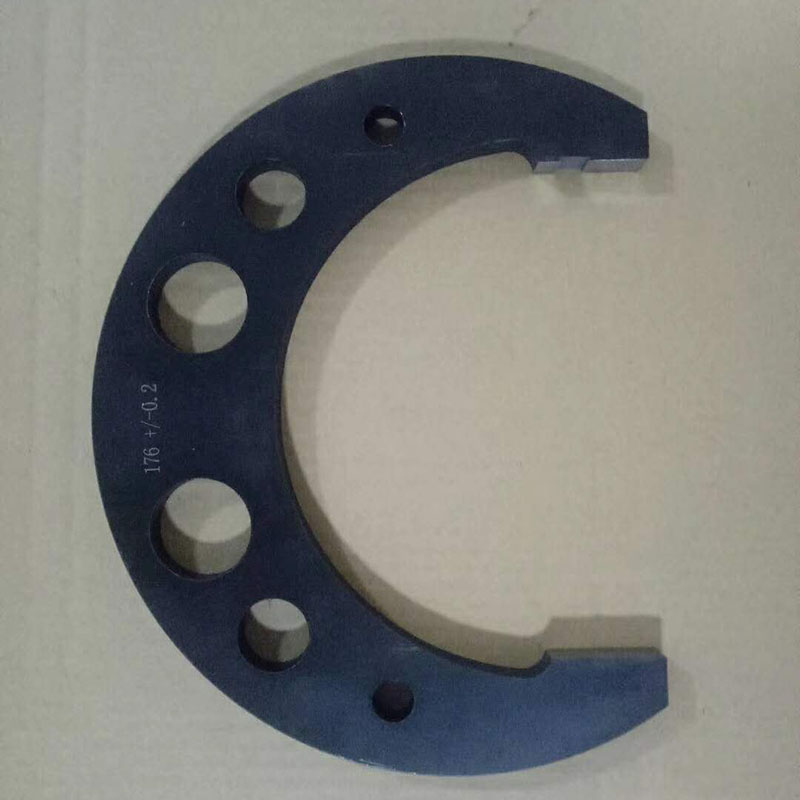
Understanding Water Valves A Key Component in Fluid Control Systems Water valves are crucial compone
Válvula de cierre 3 4
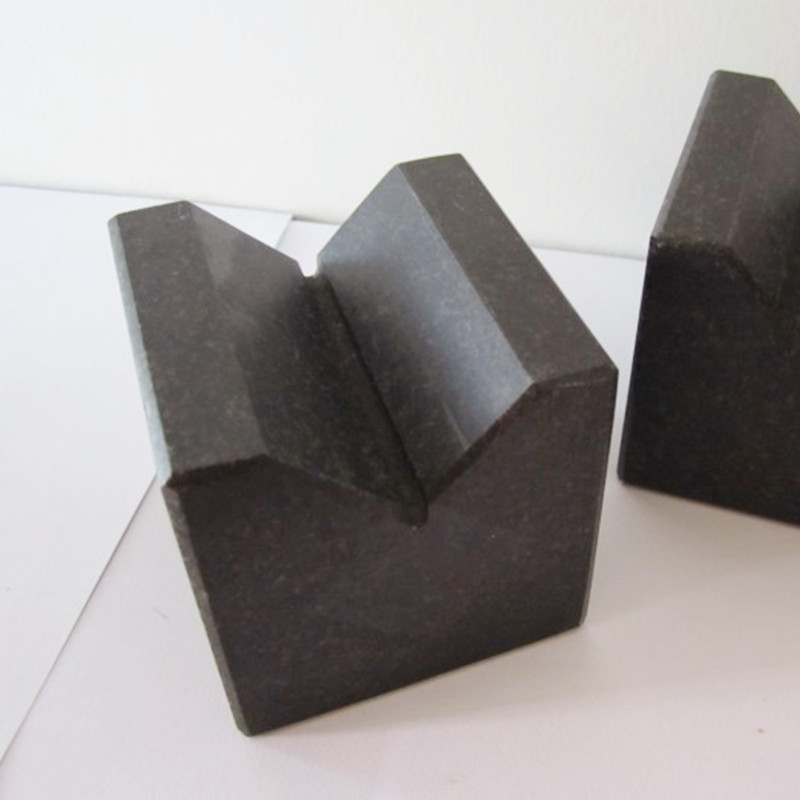
Válvulas de Globo Características y Aplicaciones Las válvulas de globo son un tipo esencial de válvu
 English